
 by admin
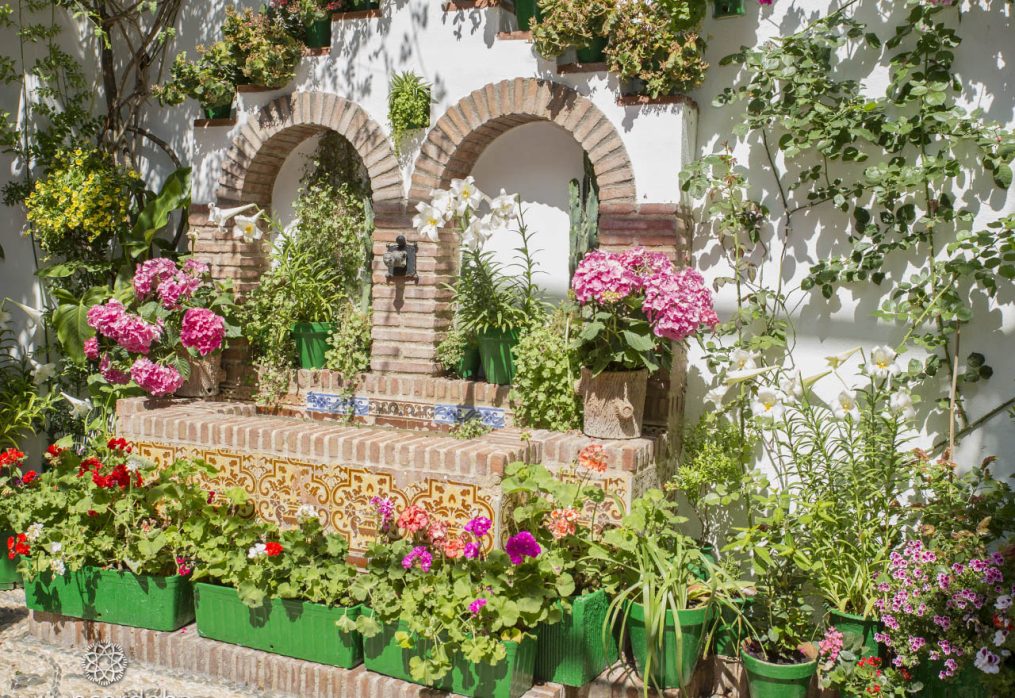
If one image sums up the May festival in Cordoba, it is the San Basilio patios: whitewashed houses, blue flowerpots on the walls and queues of visitors in narrow streets next to the Alcázar. This small neighbourhood, also known as the Alcázar Viejo, is home to some of the city’s most award-winning patios. Here is its history, the patios you should not miss and how to explore it without the crowds.
The Alcázar Viejo: a neighbourhood born beside the city wall
San Basilio lies in the south-west of the old town, between the Alcázar of the Christian Monarchs and the old walled precinct. In Islamic times this area was part of the outbuildings of the caliphs’ palace, hence its popular name of Alcázar Viejo (“Old Palace”). After the Christian conquest, in the 14th century, it was resettled and given its own wall, which explains its grid of straight streets and long blocks, so different from the maze of the Jewish Quarter.
The name San Basilio comes from the neighbourhood church, linked to a former convent of Basilian monks. Around it grew a modest district of shared houses, where several families lived around a single courtyard. That communal life is the root of the tradition we celebrate today, which we explain in more detail in our article on the Roman origin of the Cordoba patio.
Shared houses and communal patios
In these shared houses the patio was the centre of everything: it held the well, and it was where people washed clothes, cooked and chatted in the cool of the evening. Looking after the plants was a collective task and a way of dignifying a humble space. Over time that care became neighbourhood pride and, later, a competition.
San Basilio and the Patios Festival
Cordoba City Council held the first patio competition in 1921, and since then San Basilio has been one of the neighbourhoods with the strongest presence in the contest. Its patios have collected many awards, and the Association of Friends of the Cordoba Patios has its headquarters in its streets. To learn how the competition works, read our post on the Cordoba Patios competition.
In 2012 UNESCO inscribed the Cordoba Patios Festival on the Representative List of the Intangible Cultural Heritage of Humanity. The recognition rewards not only the beauty of the patios but the community way of life that keeps them going, and San Basilio is one of the best examples of it.
San Basilio patios you should not miss
Calle San Basilio and the streets around it, such as Martín de Roa and Postrera, are home to some of the most visited patios in Cordoba. These are some of the essentials:
San Basilio 44 and San Basilio 50
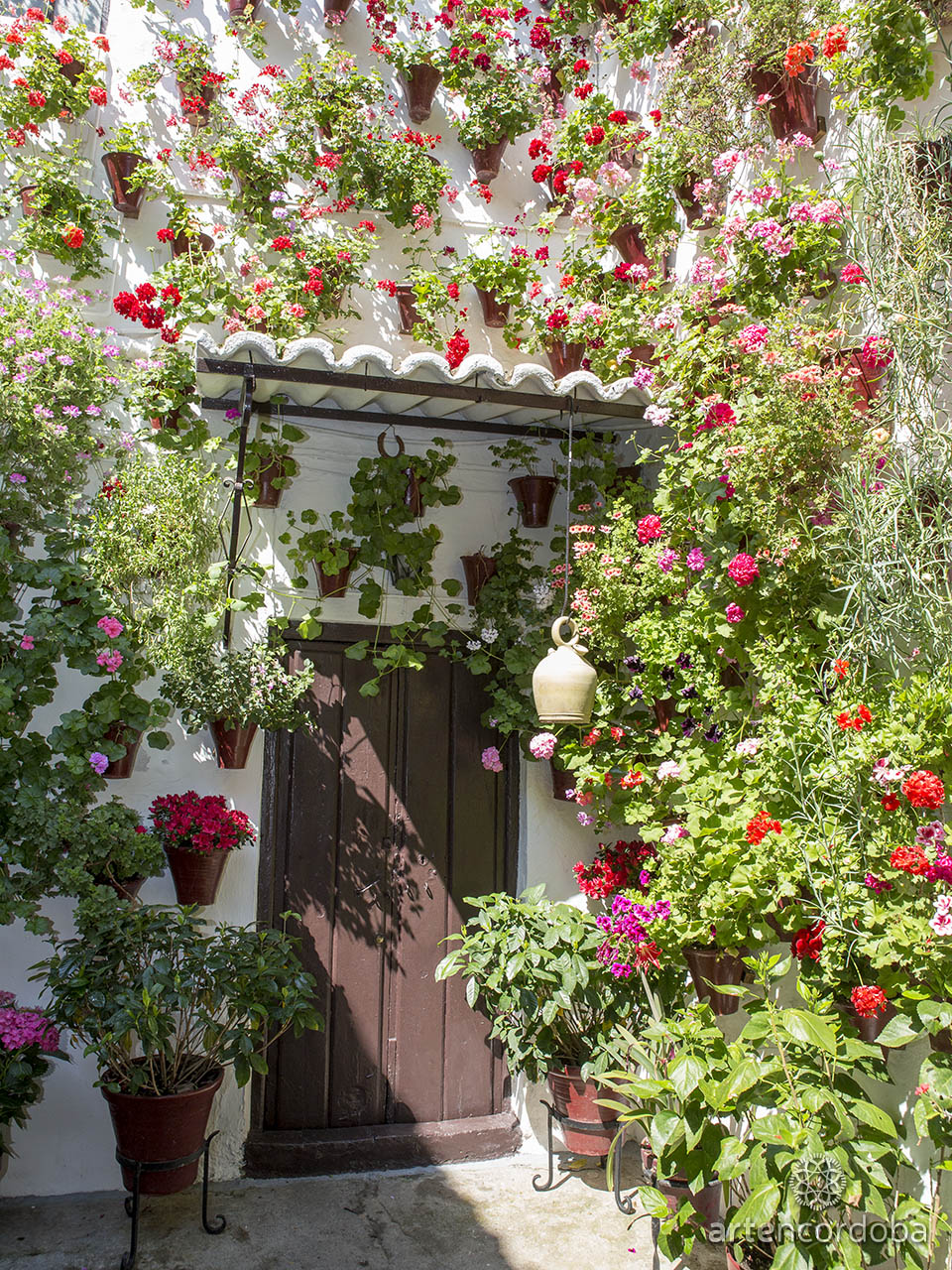
The patio at San Basilio 44 is probably the most photographed in the city, with its staircase and walls covered in pots. Nearby, San Basilio 50 offers one of the most carefully composed displays in the neighbourhood. We will dedicate a separate article to them, as they deserve an unhurried visit.
San Basilio 14, San Basilio 22 and Martín de Roa
Less famous than number 44, the patios at San Basilio 14 and 22 surprise visitors with their corners, wells and variety of plants. On Calle Martín de Roa you will also find several charming patios. Many of them feature in our selection of Cordoba patios you have to visit.
In almost all of them you will see the classic geraniums, ivy geraniums, carnations and bougainvillea. If you are interested in the botanical side, read our post on the typical flowers of Cordoba’s patios.
Tips for visiting San Basilio
During the May festival the neighbourhood welcomes thousands of visitors a day and queues can be long, especially mid-morning and in the late evening. To enjoy it more:
- Arrive first thing, as soon as the patios open, or in the mid-afternoon on weekdays.
- Respect the queue and the time inside each patio: these are people’s homes.
- Outside May, some patios open with reduced hours; check before you go.
- Make the most of the nearby Alcázar of the Christian Monarchs and the Royal Stables to complete your route.
Frequently asked questions about the San Basilio patios
Where is the San Basilio neighbourhood in Cordoba?
San Basilio, also called Alcázar Viejo, is in the south-west of the old town, next to the Alcázar of the Christian Monarchs and a few minutes’ walk from the Mosque-Cathedral. Its main streets are San Basilio, Martín de Roa and Postrera, where the neighbourhood’s best-known patios are concentrated.
What is the most famous patio in San Basilio?
The patio at San Basilio 44 is the most popular and photographed, known for its staircase and its walls full of flowerpots. However, the neighbourhood has many other award-winning patios, such as San Basilio 50, 14 and 22, which are equally worth visiting and usually have shorter queues.
Can you see the San Basilio patios outside May?
Yes, although there are fewer options. Some patios in the neighbourhood open during the year with reduced hours, and there are guided tours that give access to patios closed to the public at other times. It is a good idea to check availability before going, as opening times change with the season.
How long do you need to explore San Basilio?
Outside the festival, an hour to an hour and a half is enough to walk the streets and visit the open patios. In May it is best to set aside at least half a day, because queues at the most famous patios can exceed thirty minutes at the busiest times.
San Basilio is the best gateway to the world of Cordoba’s patios. If you want to explore it with someone who can tell you the stories behind each house, join our guided tour of the Cordoba Patios.

